Apr 30, 2026. Every nation has a story written in its landscapes and its kitchens. For Timor-Leste, that story unfolds through the iconic blooms of the Ai-Kassi and the legendary smoky aroma of Tukir. These two national symbols are more than just markers of identity; they are living bridges that connect a storied past with the vibrant spirit of a modern nation.
Ai-Kassi: The Crimson Crown Adorning the Nation
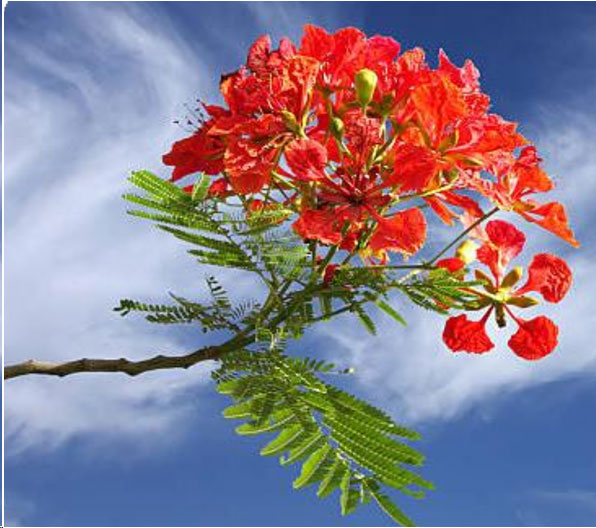
The Ai-Kassi flower (Delonix regia), known internationally as the Flamboyant, is a symbol of Timor-Leste’s beauty, culture, and identity. Its presence represents a perfect harmony between natural splendor and deep historical roots:
A Witness to History: This tree was introduced by the Portuguese following their arrival in the early 1500s.
The Color of Identity: Widely planted in Dili and across other municipalities, the tree has become a vibrant and familiar part of the landscape.
A Symbol of Beauty: Its bright red blooms reflect the country’s natural beauty and rich cultural heritage.
Connecting Generations: The Ai-Kassi represents a historic connection to the land, serving as a living link to the nation’s past.
Tukir: A Symphony of Flavor in Bamboo
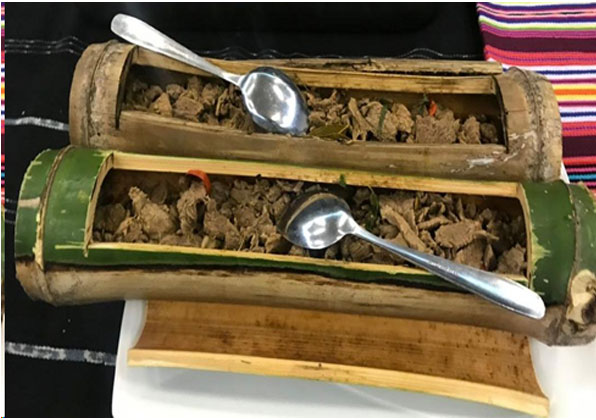
While the Ai-Kassi delights the eyes, Tukir is a culinary masterpiece that celebrates Timorese tradition. As a celebrated national dish, Tukir reflects the resilience and celebratory spirit of the people:
Ancient Culinary Art: Originating from the mountain regions, Tukir uses an ancient method where marinated meat—such as lamb, goat, buffalo, or fish—is cooked inside a bamboo tube.
A Natural Process: The meat is cooked over a wood fire, where the bamboo steams the meat in its own juices to create a unique smoky flavor.
A Wealth of Spices: The rich and fragrant taste is created by local spices, including turmeric, ginger, lemongrass, lemon basil leaves, and chilies.
A Ritual of Unity: Traditionally reserved for special occasions and community gatherings, Tukir is a true symbol of the nation’s culinary heritage.
Cultural Resilience: As a survival of pre-colonial culinary practices, Tukir connects modern Timorese to their ancestral culture through every flavorful bite.